Fixing Sun-Cracked Window Trim on Temecula Homes
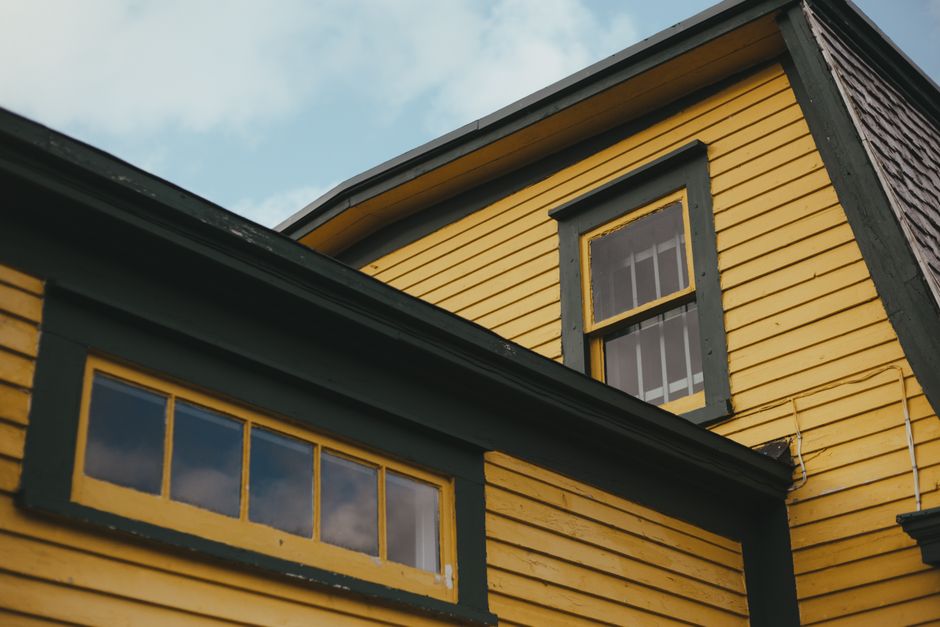
Window trim on a west wall can get too hot to hold a hand against by two in the afternoon, and every teardown temecula exterior painters ptag online has logged shows the same thing: checks along the grain that were hairline in May are wide enough to take a fingernail by September. Exterior painting in Temecula, CA starts with reading those cracks before anything gets sanded.
What a checked board looks like up close
Sun and the dry air of the Temecula Valley pull moisture out of the face of a board faster than the core can follow. The surface shrinks, the grain opens, and old latex splits along the lines. A check that runs the full length of a sill is a different problem from a short split near a nail, and a probe tells them apart in seconds.
Drying before filling

Trim that took a winter soaking holds water in the checks for days, and the low ground along Murrieta Creek stays damp longer than the ridges. Filling over wet wood traps the moisture. Painters check with a meter or wait for a run of dry mornings, then brush the board clean with a stiff nylon brush and a vacuum so no chalk is left in the crack.
Filling and patching
Narrow checks take an exterior spackle or a flexible caulk pushed in with a putty knife. Wider splits get a two part filler, tooled slightly proud and left to cure hard. Caulk goes in only where two boards meet, never as a cure for a crack that runs with the grain, because it shrinks away from the edges within a season.
Sanding and scuff sand
Sanding runs with the grain, starting around eighty grit to knock down flaking film and finishing near one hundred and twenty so the primer has a surface to bite. Where the old coat is sound, a scuff sand is enough. Any bare wood that shows through gets spot primed the same day, because raw trim soaks up the first drop of dew.
Primer and topcoat
An oil based primer seals bare cedar and pine better than most water borne ones, and it blocks the tannin stains that bleed through a light topcoat. Over it goes an acrylic exterior in satin or semi gloss, applied as two coats with a cut in brush and a small roller. Satin hides surface wear a little better, semi gloss sheds dirt and water faster, and the choice depends on how much sun the board takes.
Where the work shows later
The edges of a sill and the end grain are the places paint fails first, so they get an extra brushed pass before the full coat. Trim on the river side of town near the Santa Margarita River sees more morning damp than trim up on the ridge, and that changes how long a patch cures before the topcoat goes on.